
Introduction
Whether you’re a professional athlete a gym enthusiast or someone who regularly does home workouts athletic tape is more than just ordinary tape. It’s an essential tool for protection support and faster recovery.
In the modern world of sports minor injuries like ankle sprains wrist pain or muscle strains are commonplace. This is where athletic tape comes in as a practical and effective solution providing joints with added stability and reducing the likelihood of injury without restricting movement.
In this comprehensive guide we’ll cover everything you need to know about athletic tape: what it is, its types, benefits, how to use it, its advantages and disadvantages, and how to choose the right type for you.
What is Athletic Tape?
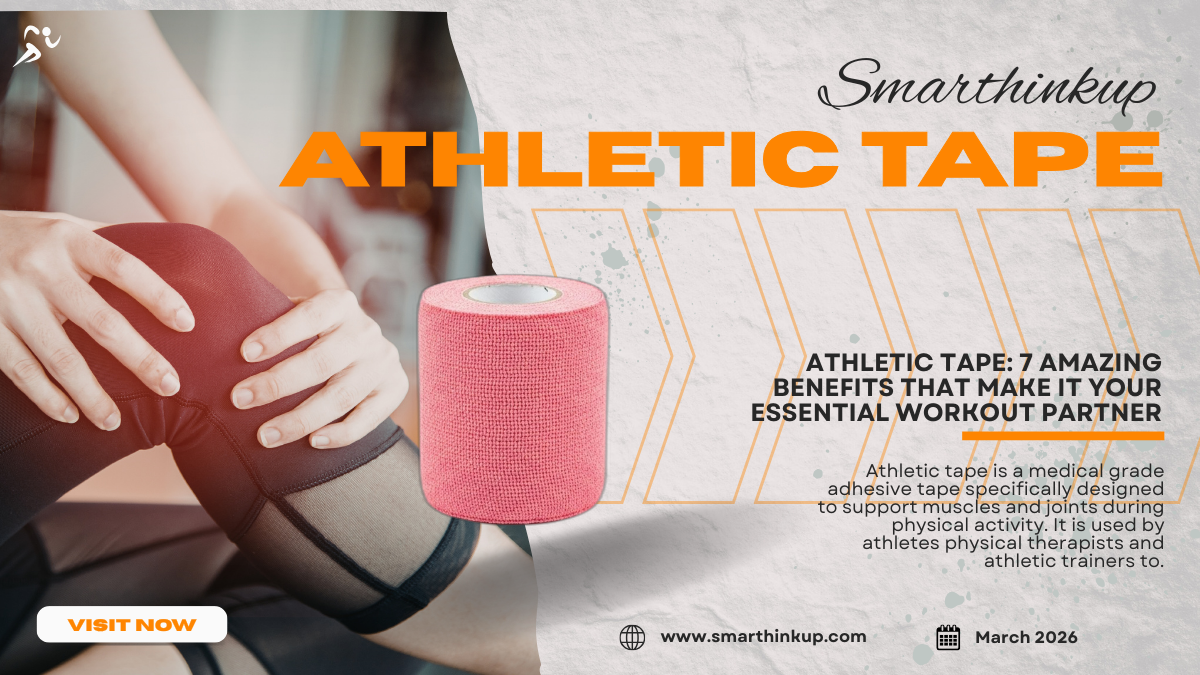
Athletic tape is a medical grade adhesive tape specifically designed to support muscles and joints during physical activity. It is used by athletes physical therapists and athletic trainers to.
- Stabilize joints
- Reduce excessive movement
- Support injured muscles
- Prevent injuries
Athletic tape differs from regular adhesive tape in its flexibility, adhesion strength, and the materials used in its manufacture.
Why You Need Athletic Tape (The Importance of Athletic Tape)
1. Disability Prevention
Using athletic tape before exercise reduces the risk of sprains or ligament tears.
2. Help for weak joints
Athletic tape gives your joint extra support without the need for extensive bracing if you have a past injury.
3. Better performance in sports
You can focus more on your performance when your joints feel secure instead of worrying about the injury.
4. Recover faster
Athletic tape helps muscles heal and reduces swelling throughout the recovery phase.
5. Lessening Pain
By keeping the damaged area still pressure on the tissues is lessened which helps with pain.
Main Attribute
kind of athletic tape you Needs Revolves around on what you’re doing and what hurts. These are the main types:
1. Stiff athletic tape
- Not stretchy
- Gives a solid grip
- Best for wrists and ankles
2. Tape for athletes that stretches
- Not too stiff
- Lets you move a little bit
- Good for muscles
3. Tape for kinesiology
- Very flexible
- Supports muscles without restricting movement
- Common in physical therapy
4. Self adhesive Tape
- It adheres to itself, not to the skin.
- Easy to apply.
- Suitable for quick fixation.
How to Use Athletic Tape the Right Way (Step by Step)
If you don’t use athletic tape appropriately it won’t work as well. To achieve optimal outcomes, follow these steps.
Step 1. Wash and dry your skin
Your skin should be spotless and not have any Moisture or natural oil residue.
Step 2. Cut it to the right length
To Prevent putting too much strain on the tape don’t use one that is too long.
Step 3. Wind the tape loosely
The tension should be mild so that it supports without cutting off blood flow.
Step 4. Make sure the ends are secure.
Press the ends down firmly to keep them together and stop them from coming apart while you work out.
Step 5. Check the Movement
Move the joint to make sure it has enough support and doesn’t hurt.
Key Features of Athletic Tape
Using athletic tape offers many practical benefits, including:
- Lightweight and portable
- Affordable
- Suitable for all types of sports
- Sweat and moisture resistant
- Helps prevent injuries
- Boosts confidence during exercise
- Easy to remove with minimal pain
Disadvantages of Athletic Tape (Completely Transparent)
Despite its significant benefits athletic tape has some drawbacks.
- It may cause skin inflammation for those with hypersensitive skin.
- It requires skill to apply correctly.
- It is not a complete replacement for medical treatment.
- It loses its effectiveness after excessive sweating.
How to Choose the Best Athletic Tape for You
When choosing athletic tape consider the following factors:
Type of Sport
Contact sports like football require a stiff tape while running may require a flexible tape.
Location of Injury
Joints require stronger support compared to muscles.
Duration of Use
For extended use choose a comfortable moisture resistant type.
Skin Sensitivity
If you have sensitive skin choose a hypoallergenic tape.
Best Ways to Use Athletic Tape in Different Sports
In Soccer (Football)
Support for the ankle and a way to keep it from getting sprained.
In Weightlifting
Wrist stabilization and improved grip.
In Running
Reduced pressure on the knees.
In Tennis
Elbow support and prevention of tendonitis.
In Bodybuilding
Less tired muscles with hard workouts.
Important tips to maximize the Efficiency of Athletic Tape
- Hang on athletic tape on for more than a day.
- Remove the tape off slowly so it doesn’t damage your skin.
- Don’t put it on cuts or scrapes.
- If the injury is bad see a doctor.
- Try numerous ways of wrapping until you find the one that works best for you.
Mistakes People Make When Using Athletic Tape
- Too firmly wrapping the tape.
- Using it without cleaning the skin.
- Ignoring persistent pain.
- Reusing old tape.
- Relying on it indefinitely without treatment.
Is Athletic Tape suitable for beginners?
Yes anyone can use Athletic Tape but it’s best to watch a tutorial video or consult a trainer to learn the correct technique. With a little practice using it becomes easy and effective.
The Role of Athletic Tape in Injury Recovery
Athletic tape helps to:
- Reduces swelling
- Supports weakened ligaments
- Improves blood flow
- Reduces muscle strain
However it does not replace physical therapy or rest when needed.
How does athletic tape affect athletic performance?
When used correctly athletic tape makes athletes feel more stable and confident. This psychological effect has a direct positive impact on performance reducing anxiety and increasing focus.
Conclusion
Ultimately athletic tape isn’t just an extra tool it’s an essential item for anyone who cares about their athletic performance and health. Whether you’re looking to prevent injuries improve your performance or speed up recovery athletic tape offers effective and practical support.
Choosing the right type and using it correctly can make a significant difference to your athletic experience. Don’t wait for an injury to start thinking about protection make athletic tape a part of your daily workout routine and enjoy stronger performances and greater confidence in every exercise.











Leave a Reply